Biphasic Mesothelioma: What Patients and Families Need to Know
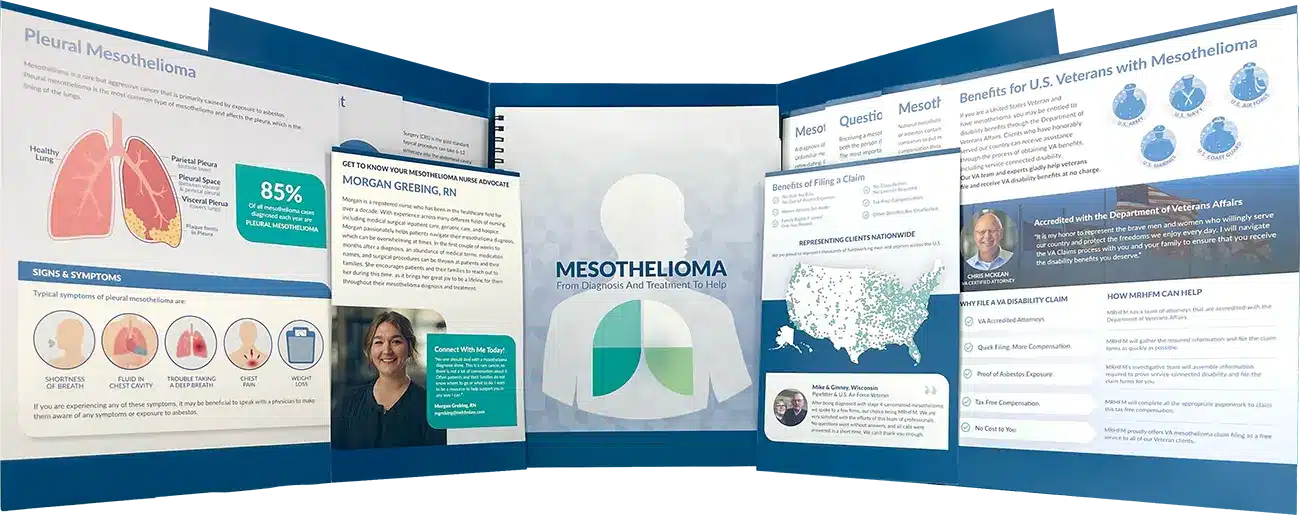
Everything You Need to Know:
- What to Do in the First 30 Days
- Reducing Symptoms and Pain
- Treatment Options Explained
- What Survivors Did Differently
Answer 3 quick questions and we'll ship your free Mesothelioma Kit today:
Thank You!

We will send you your free guide shortly.
 Your information will be kept private
Your FREE Mesothelioma Care Kit Includes:
- 80-page guide to finding the best treatment, doctors, and care
- 100 answers to the most frequently asked questions
- 10 questions you MUST ask your doctor right away
- Best-selling cookbook: Cancer-Fighting Kitchen:
$32.50 - Award-winning book: Things I Wish I’d Known:
$19.95

The kit we received on mesothelioma is excellent and very well put together. We knew nothing about mesothelioma and this was the greatest resource we could get.

Hubert,
Pleural Mesothelioma
Patient in Massachusetts

Our Mesothelioma Care Kit provides the latest information on top treatment options and ways others have improved life expectancy.
What Is Biphasic Mesothelioma?

Mesothelioma has two main cell types – epithelioid (a slow-growing type of soft tissue cancer) and sarcomatoid (a more aggressive form of cancer). It is possible to be diagnosed with epithelioid or sarcomatoid mesothelioma exclusively, but mesothelioma also occurs in a mixed cell variety known as biphasic mesothelioma.
Biphasic or mixed mesothelioma is characterized by the presence of both epithelioid and sarcomatoid cancer cells within the malignant tumors. The symptoms, diagnosis, prognosis, and treatment of biphasic mesothelioma depend on the ratio of epithelioid vs. sarcomatoid involvement.
Epithelioid vs. Sarcomatoid Dominant Characteristics
Every diagnosis of biphasic mesothelioma is different. Typically, patients with epithelioid-dominant biphasic mesothelioma have a better prognosis and are more likely to respond to treatment.

Epithelioid Dominant
Common traits of epithelioid dominant bophasic mesothelioma:
- Longer life expectancy and better response to treatment.
- Metastasis (spread) to the nearby surrounding organs.
- Symptoms including shortness of breath, night sweats/fever, chest pain, and weight loss.

Sarcomatoid Dominant
Common traits of sarcomatoid dominant biphasic mesothelioma:
- Symptoms similar to epithelioid dominant mesothelioma with additional complications and pain from widespread disease.
- Aggressive metastasis (spread) throughout the entire body.


The Prevalence of Biphasic Mesothelioma
Biphasic mesothelioma is the second most commonly diagnosed type of mesothelioma, making up 20-35% of all pleural (lung-based) cases and over 20% of peritoneal (abdominal) cases.
Diagnosing Biphasic Mesothelioma
To properly diagnose biphasic mesothelioma, a tumor biopsy needs to be taken. Both types of mesothelioma cells need to be present to diagnose biphasic mesothelioma properly – but this can easily be missed. Additional testing may need to be done to properly diagnose biphasic mesothelioma.
Treatment Options
The available and effective treatment options for biphasic mesothelioma depend heavily on the individual case. Common treatments include surgery, chemotherapy, and radiation.
Surgical Treatment
Depending on the location and type of mesothelioma, surgeons can remove tumor cells to reduce disease spread. Common surgical options for biphasic mesothelioma include:
- Extrapleural pneumonectomy (removal of an entire lung and surrounding tissues)
- Pleurectomy (removal of some of the pleura, the tissue layer surrounding the lungs)
- Pericardiectomy (removal of some or all of the pericardium, the tissue layer surrounding the heart)
Eligibility for each of these invasive surgical procedures depends on the patient’s current health status, cancer spread, and mesothelioma cell type dominance.
Chemotherapy
Depending on the dominant cell type and ratio, some biphasic mesothelioma patients respond better to chemotherapy treatment than others. Chemotherapy can be given as intravenous (IV) infusions on a schedule or can be done through hyperthermic intraperitoneal chemotherapy (HIPEC) in cases that affect the peritoneum.
HIPEC treatments can be an effective therapy option for epithelioid peritoneal mesothelioma and may also be beneficial for patients with epithelioid-dominant biphasic mesothelioma.
Radiation
In many cases, biphasic mesothelioma is treated with radiation in addition to surgery or chemotherapy. Radiation is more commonly used to treat pleural mesothelioma and is less likely to be used for peritoneal cases.


Our Mesothelioma Care Package provides additional information on how treatments affect your prognosis and life expectancy.
The Prognosis for Biphasic Mesothelioma
The prognosis for biphasic mesothelioma can be greatly different for every individual case.
In a study of people diagnosed with biphasic mesothelioma, the average survival was 11 months. Patients with high ratios of epithelioid cell involvement can have a longer expected survival of over 22 months. Many of these life expectancies do not account for modern advances in mesothelioma treatment which play a significant role in life expectancy estimates. Increased access to better treatment options results in better patient outcomes.
Additional factors that can impact individual survival rate include:
- Age
- Overall general health and diet
- The extent of cancer spread (stage of cancer)
- The number of affected organs
If you are looking for more information about biphasic mesothelioma, a specialist can be an incredibly valuable resource. A mesothelioma specialist can conduct additional diagnostic testing and recommend the best course of action for treatment.
Immunotherapy and Mesothelioma
Immunotherapy is a type of treatment that boosts the body’s natural defenses (its immune system) to fight cancer. In recent years, immunotherapy treatments for mesothelioma have been available through clinical trials and have shown promising results. Many doctors are now using immunotherapy drugs as treatment for mesothelioma.
If you have been diagnosed with mesothelioma and would like to learn more about emerging treatments like immunotherapy, our team of mesothelioma advocates can provide more information about immunotherapy or help connect you to clinical trials or physicians.
How immunotherapy works
Normally the body’s immune system would recognize that mesothelioma cells are “foreign” and would quickly attempt to kill them. Mesothelioma tumors, however, grow quickly and metastasize (spread) at a high rate, making it difficult for the immune system to attack.
Immunotherapy boosts the immune system, making it stronger and helping it target mesothelioma cells more effectively. These “targeted treatments” may be beneficial because they only attack the mesothelioma cells and cause no unintended damage to healthy cells.
Benefits of mesothelioma immunotherapy
The main advantage of this type of treatment is that it only targets mesothelioma cells and, in doing so, minimizes damage to healthy cells. Less damage to healthy cells means a patient might experience fewer side effects. This allows patients who are not in the best overall health to receive treatments that may extend their survival.
- Fewer Side Effects – Specifically targeting mesothelioma cells may allow healthy cells to remain unharmed by the drug.
- Improved Prognosis – May experience longer survival times. Results may even be more effective when combined with chemotherapy and/or surgery.
Discover how other patients have improved their prognosis